For most of the smartphone era, battery life was the industry's quiet embarrassment. Manufacturers chased thinner profiles and brighter displays, and users quietly accepted that a full charge would rarely survive past dinner. That trade-off is finally being renegotiated — and the shift is more fundamental than simply cramming a bigger cell into the chassis.
Several forces are converging at once. On the silicon side, the move to more efficient chip architectures has dramatically reduced how much power a processor draws during everyday tasks. Modern mobile chipsets now handle background processes, AI inference, and connectivity management with far less energy than their predecessors, meaning the gains are felt during the mundane hours of browsing, streaming, and messaging — not just in benchmark labs.
Display technology is pulling its weight too. LTPO panels, which can dynamically drop their refresh rate to as low as 1Hz when content is static, have moved from flagship exclusives to a feature increasingly found across mid-range devices. A screen that refreshes slowly while you read an article or glance at a notification is a screen that is not unnecessarily draining your battery.
Software is the less glamorous but arguably more impactful part of the story. Operating system vendors have spent years tightening app lifecycle management, restricting background activity, and giving users more granular control over which apps are allowed to wake the device. The result is that a well-optimized modern smartphone can sit in standby for days rather than hours, a figure that would have seemed implausible five years ago.
Capacity itself is also growing. Advances in battery chemistry, including the gradual adoption of silicon-anode designs that hold more charge in the same physical space, are pushing flagship devices well past the 5,000mAh mark without requiring uncomfortably thick handsets. Longevity is improving alongside capacity, with more devices rated to retain a high percentage of their original charge after several years of daily cycling.
For users who travel frequently or work long days away from a desk, these gains are genuinely life-changing in practical terms. Tools like the ShazGear portable charger lineup remain useful safety nets, but the frequency with which you will actually need them is declining — and that is a meaningful quality-of-life improvement.
The trend points toward a future where charging your phone every night becomes a habit born of routine rather than necessity. Whether the industry leans into that promise or finds new power-hungry features to fill the headroom remains to be seen. For now, smartphones are finally winning the battery war — and it is long overdue.
Smartphones
The Battery Life Renaissance: Why Smartphones Are Finally Lasting More Than a Day
October 15, 2026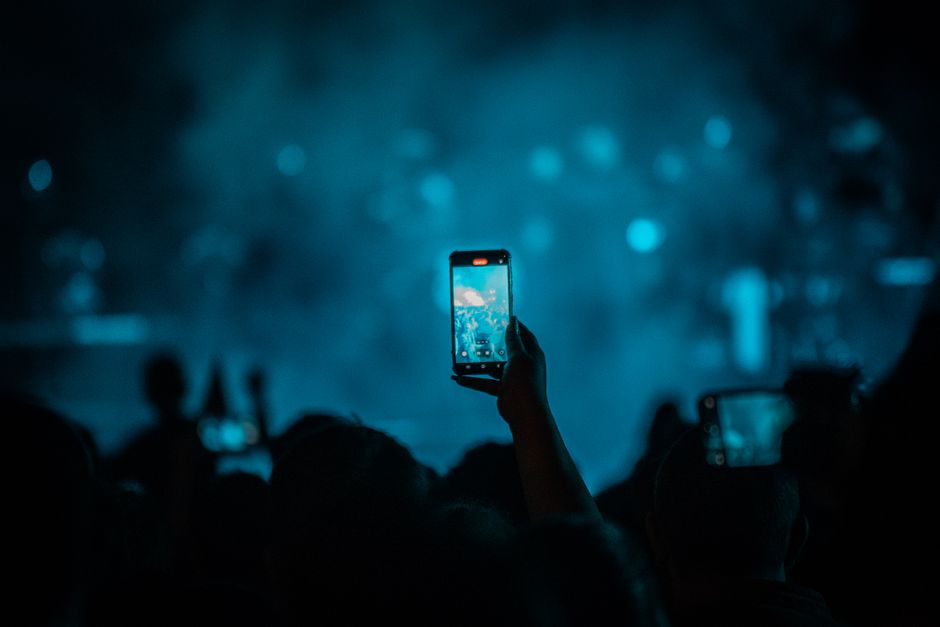
Related in Smartphones

Oct 11, 2026
How Smartphone Cameras Actually Focus So Fast — The Science Behind Autofocus
You raise your phone, tap the screen, and in a fraction of a second the scene snaps into crisp focus…
Read More →
Oct 10, 2026
How Under-Display Fingerprint Sensors Actually Work — Optical vs. Ultrasonic Explained
Tapping your thumb on a blank stretch of screen and watching your phone unlock in under a second fee…
Read More →
Oct 1, 2026
How to Read a Smartphone Spec Sheet Without Getting Fooled: A Practical Checklist
Buying a new smartphone should be exciting. Instead, it often means staring at a wall of numbers tha…
Read More →